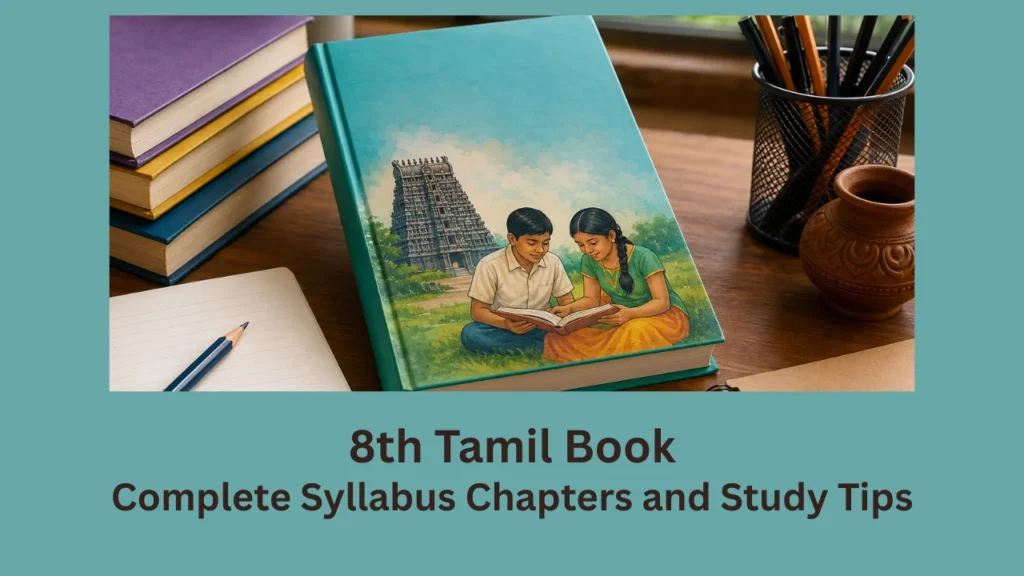
If you are looking for educational resources like laser book 247, you may also want reliable information about the 8th tamil book. This textbook plays an important role in helping students improve their Tamil language skills. It introduces literature, grammar, and creative writing in a simple and engaging way.
The book follows the curriculum prescribed by the Tamil Nadu State Board under Samacheer Kalvi. It helps students develop reading, writing, listening, and speaking skills. Teachers also use it to build a strong foundation for higher-level Tamil studies.
What Is 8th Tamil Book?
The 8th tamil book is the official Tamil language textbook designed for students studying in Class 8. The Tamil Nadu Textbook and Educational Services Corporation publishes the book for Samacheer Kalvi schools.
It includes prose lessons, poems, grammar exercises, and supplementary reading materials. Each lesson helps students understand the beauty of the Tamil language while improving communication and comprehension skills.
| Feature | Details |
|---|---|
| Subject | Tamil Language |
| Grade | Class 8 |
| Board | Tamil Nadu State Board |
| Curriculum | Samacheer Kalvi |
| Publisher | Tamil Nadu Textbook and Educational Services Corporation |
| Medium | Tamil |
Purpose of the Book
The textbook focuses on improving language skills through interesting lessons and practical activities. Students learn to read confidently and express their ideas clearly.
Teachers encourage classroom discussions, storytelling, and writing exercises. These activities help students become better communicators while developing confidence in using Tamil.
| Learning Goal | Benefit |
|---|---|
| Reading | Improves comprehension |
| Writing | Builds grammar and vocabulary |
| Speaking | Increases communication skills |
| Listening | Enhances understanding |
| Literature | Develops appreciation for Tamil culture |
Main Contents of the Textbook
The textbook contains different sections that help students master every aspect of the Tamil language. Every chapter introduces new vocabulary, grammar, and literary concepts.
The lessons combine educational content with enjoyable stories and poems. Students remain interested while improving their language abilities.
| Section | Description |
|---|---|
| Poetry (செய்யுள்) | Classical and modern Tamil poems |
| Prose (உரைநடை) | Stories, biographies, and essays |
| Grammar (இலக்கணம்) | Language rules and sentence formation |
| Supplementary Reading | Extra lessons for practice |
| Activities | Writing and comprehension exercises |
Chapters Covered in the Book
The exact chapter names may change when the syllabus is revised. However, the overall structure remains similar and covers poetry, prose, grammar, and supplementary reading.
Students study moral stories, historical events, famous personalities, environmental topics, and cultural traditions. These lessons improve both academic knowledge and personal values.
| Chapter Type | Focus Area |
|---|---|
| Poetry | Literary appreciation |
| Story Lessons | Moral values |
| Essays | Knowledge and awareness |
| Grammar Lessons | Correct language usage |
| Activities | Practical learning |
Grammar Topics Included
Grammar forms an important part of the textbook because it teaches students how to write and speak correctly. Each lesson explains concepts using simple examples.
Students practice sentence formation, punctuation, vocabulary, and language rules. Regular exercises improve writing accuracy and confidence.
| Grammar Topic | Purpose |
|---|---|
| Parts of Speech | Understand word usage |
| Sentence Formation | Improve writing |
| Vocabulary | Learn new words |
| Punctuation | Write correctly |
| Tenses | Build proper sentences |
Literature and Poetry
Tamil literature introduces students to famous poets and writers. Poems teach rhythm, emotions, and cultural traditions while improving reading skills.
Prose lessons explain historical events, inspirational stories, and everyday experiences. These readings encourage students to think creatively and appreciate Tamil heritage.
| Literary Section | Learning Outcome |
|---|---|
| Poems | Improve interpretation |
| Stories | Build imagination |
| Essays | Increase knowledge |
| Biographies | Learn from great personalities |
Importance of the Book in Education
The 8th tamil book helps students prepare for higher classes by strengthening their language foundation. A strong understanding of grammar and literature makes future learning easier.
The textbook also develops analytical thinking through reading comprehension and writing activities. Students learn to express their opinions with confidence.
| Educational Benefit | Result |
|---|---|
| Better Reading | Improved comprehension |
| Better Writing | Correct grammar |
| Better Speaking | Clear communication |
| Better Thinking | Logical understanding |
How Teachers Use the Book
Teachers explain every lesson using classroom discussions, reading sessions, and writing practice. Students also participate in storytelling and group activities.
Assignments, quizzes, and homework reinforce classroom learning. Continuous practice helps students remember important concepts throughout the academic year.
| Teaching Method | Purpose |
|---|---|
| Classroom Reading | Improve fluency |
| Discussions | Encourage participation |
| Writing Practice | Build confidence |
| Homework | Reinforce learning |
How Students Can Study Effectively
Students should read every lesson carefully before attending class. Understanding the lesson beforehand makes classroom learning easier.
Daily revision strengthens memory and improves examination performance. Writing answers in your own words also helps you understand the subject better.
Helpful Study Tips
| Tip | Benefit |
|---|---|
| Read daily | Better understanding |
| Revise regularly | Strong memory |
| Practice grammar | Higher accuracy |
| Learn new words | Better vocabulary |
| Solve exercises | Better exam preparation |
Examination Pattern
Schools evaluate students using written examinations, classroom activities, assignments, and periodic assessments. Questions test grammar, literature, vocabulary, and comprehension.
Students should understand every chapter instead of memorizing answers. Concept-based learning improves examination performance and long-term knowledge.
| Assessment Type | Weight |
|---|---|
| Written Exam | High |
| Grammar | High |
| Reading Comprehension | Medium |
| Writing Skills | Medium |
| Activities | Low to Medium |
Benefits of Learning Tamil
Learning Tamil strengthens communication skills and connects students with one of the world’s oldest languages. It also helps preserve cultural traditions and literary heritage.
Students gain confidence by reading poems, stories, and essays written by respected Tamil authors. These lessons encourage creativity and improve overall language skills.
| Benefit | Description |
|---|---|
| Language Skills | Better reading and writing |
| Cultural Knowledge | Learn traditions |
| Creativity | Improve imagination |
| Confidence | Better communication |
Digital Availability of the Textbook
The Tamil Nadu government provides digital versions of school textbooks through official educational platforms. Students can access the latest editions for study and revision.
Digital textbooks make learning flexible because students can study anytime using computers, tablets, or smartphones. Teachers also use online resources to support classroom instruction.
| Format | Availability |
|---|---|
| Printed Book | Schools |
| PDF Version | Official education portals |
| Mobile Access | Supported |
| Online Reading | Available |
Why the 8th Tamil Book Matters
The 8th tamil book builds the foundation for advanced Tamil learning in higher classes. It develops reading, grammar, vocabulary, and writing skills through carefully designed lessons.
The textbook also teaches important values through stories and poems. Students gain both academic knowledge and life lessons while enjoying the learning process.
Conclusion
The 8th tamil book is more than a school textbook because it helps students build strong language skills and understand Tamil literature. Its balanced mix of grammar, prose, poetry, and activities makes learning enjoyable and meaningful. Students who study the book regularly develop better reading, writing, and communication skills.
As the curriculum continues to support modern education, the 8th tamil book remains an essential learning resource for Class 8 students. Regular practice, careful reading, and revision help students perform well in examinations while developing a lifelong appreciation for the Tamil language and its rich cultural heritage.