
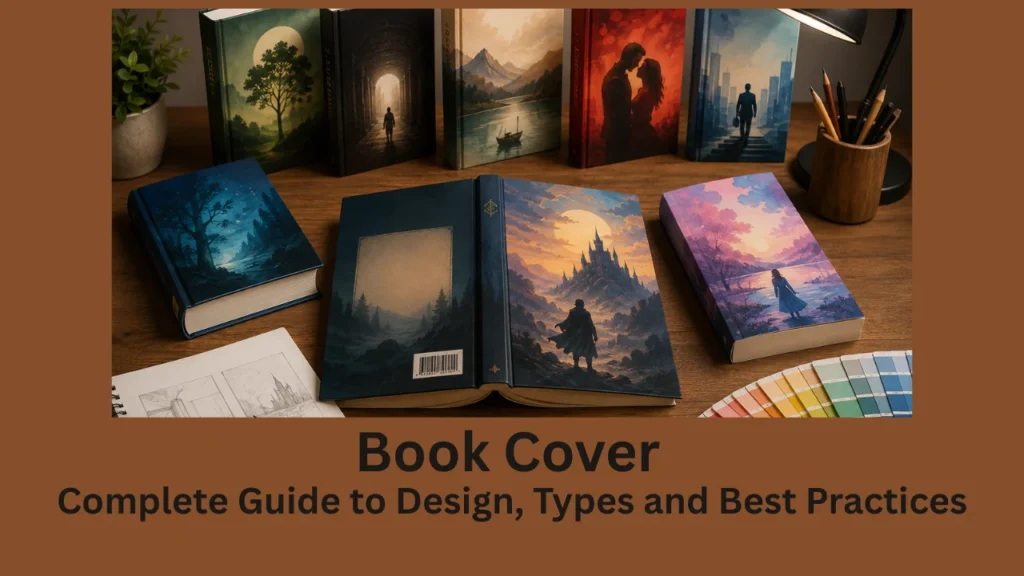
Royal book 365 is a popular search term among readers, but every great book also needs an attractive book cover to make a strong first impression. A well-designed cover protects the book and helps readers decide whether they want to explore its pages.
A book cover is more than a decorative layer. It is a marketing tool that communicates the book’s theme, genre, and value in seconds. Whether the book is a novel, textbook, biography, or children’s story, the cover plays a major role in attracting readers and increasing sales.
What Is a Book Cover?
A book cover is the outer part of a printed or digital book that protects the pages and displays important information. It usually includes the title, author’s name, artwork, publisher logo, and other design elements.
The cover creates the first impression before anyone reads a single page. Readers often judge a book by its appearance, so publishers and self-published authors spend time creating attractive and professional designs.
| Feature | Description |
|---|---|
| Title | Main name of the book |
| Author Name | Person who wrote the book |
| Cover Image | Artwork or illustration |
| Publisher Logo | Publishing company identity |
| Back Cover | Summary, barcode, and author details |
Why a Book Cover Is Important
The cover acts as the face of a book. It catches attention both in bookstores and online shopping platforms.
A professional design builds trust and encourages readers to learn more. A good book cover can improve visibility, create interest, and increase the chances of selling more copies.
| Benefit | Importance |
|---|---|
| Attracts readers | High |
| Builds credibility | High |
| Protects pages | High |
| Supports branding | Medium |
| Increases sales | High |
Main Parts of a Book Cover
Every professionally designed cover contains several important sections. Each part works together to create a complete presentation.
The front cover usually displays the title and artwork. The spine shows the title and author, while the back cover includes a short description, ISBN barcode, price, and publisher information.
| Part | Purpose |
|---|---|
| Front Cover | Main visual presentation |
| Spine | Easy identification on shelves |
| Back Cover | Summary and barcode |
| Inside Flaps | Extra information on hardcover books |
Types of Book Covers
Different books require different cover styles. Publishers choose the cover based on the book’s purpose, budget, and audience.
Paperback books remain the most common because they cost less to print. Hardcover books offer better protection and a premium appearance.
| Type | Best For |
|---|---|
| Paperback | Novels, educational books |
| Hardcover | Premium editions |
| Dust Jacket | Hardcover protection |
| Spiral Bound | Workbooks and manuals |
| eBook Cover | Digital publishing |
Elements of a Great Book Cover Design
An effective design combines creativity with readability. Every element should support the book’s message.
The title should remain easy to read, while the colors and images should match the book’s genre. Fonts should look professional and balance the overall layout.
Important design elements include:
- Clear title
- Attractive typography
- High-quality artwork
- Balanced colors
- Professional layout
- Proper spacing
How Colors Affect Readers
Colors create emotions before readers open the book. Different genres often use different color combinations.
Mystery books usually feature darker shades, while romance books use softer colors. Children’s books often include bright and cheerful colors that appeal to young readers.
| Color | Common Meaning |
|---|---|
| Blue | Trust and calm |
| Red | Energy and excitement |
| Green | Nature and growth |
| Black | Mystery and power |
| Yellow | Happiness and creativity |
Choosing the Right Fonts
Fonts help readers understand the style of the book. They should remain readable on both printed books and online thumbnails.
Large titles with simple fonts often perform better than overly decorative text. A balanced combination of font size and spacing improves readability.
How Images Improve a Book Cover
Images tell part of the story without revealing everything. They create curiosity and encourage readers to learn more.
Professional illustrations or high-quality photographs help books stand out in crowded marketplaces. Every image should support the book’s topic rather than distract from it.
Book Cover Design for Different Genres
Every genre has its own design style. Readers expect certain visual patterns based on the type of book they enjoy.
Romance books often feature warm colors and emotional imagery. Business books usually use clean layouts with simple graphics, while fantasy books include dramatic illustrations.
| Genre | Common Design Style |
|---|---|
| Fiction | Artistic illustrations |
| Romance | Soft colors |
| Thriller | Dark themes |
| Business | Minimal design |
| Children’s | Bright illustrations |
| Education | Clean and informative |
Printed Books vs eBook Covers
Printed books require front, spine, and back designs. Digital books only need the front cover because readers view them on screens.
Even though eBooks use a single image, the design must remain clear in small thumbnail sizes. Strong typography becomes even more important for digital publishing.
Common Mistakes to Avoid
Many first-time authors make design mistakes that reduce the book’s appeal. Small errors can affect reader interest and sales.
Avoid using too many fonts, poor-quality images, crowded layouts, and unreadable titles. Keeping the design simple often produces better results.
| Mistake | Better Solution |
|---|---|
| Too many fonts | Use one or two fonts |
| Blurry images | Use high-resolution artwork |
| Small title | Increase font size |
| Busy layout | Leave enough white space |
| Poor color choice | Match the book genre |
Tips for Creating a Professional Book Cover
Planning the design before publishing saves time and improves quality. Research similar books to understand reader expectations.
Hire an experienced designer if possible, or use professional design software. Always review the final design carefully before printing or uploading it to online stores.
Future Trends in Book Cover Design
Modern publishing continues to evolve with technology. Designers now focus on simple layouts, bold typography, and eye-catching colors.
Artificial intelligence, digital illustration, and 3D artwork are becoming more common in publishing. Despite these changes, readers still value clean and meaningful designs that represent the book accurately.
How to Choose the Right Book Cover
Choosing the right book cover starts with understanding your target readers and the genre of your book. A romance novel, business guide, and children’s story each require different colors, fonts, and images to match reader expectations.
Before finalizing the design, compare it with successful books in the same category. A clean layout, readable title, and high-quality artwork help your book stand out in bookstores and online marketplaces while creating a professional impression.
Book Cover Printing and Digital Requirements
Every printed and digital book follows different design specifications. Print books need a front cover, spine, and back cover, while eBooks only require a high-resolution front cover that looks clear on mobile devices and online stores.
Authors should always use the correct image size, color format, and print resolution before publishing. Following these standards prevents printing errors and ensures the cover looks sharp on every platform.
Conclusion
A professionally designed book cover helps readers notice a book, understand its subject, and remember it later. It combines creativity with marketing to support both authors and publishers.
Whether you plan to publish a printed book or an eBook, investing in a quality cover remains one of the smartest decisions you can make. An attractive and informative book cover creates trust, increases visibility, and gives every book a better chance of success in today’s competitive publishing market.