
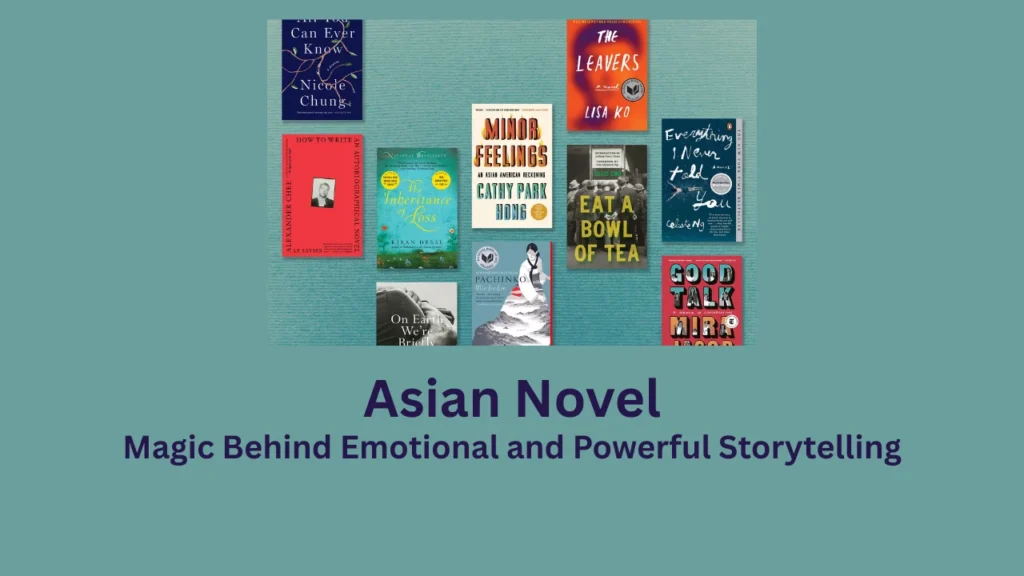
The namal novel is often mentioned when readers talk about powerful stories from Asia. In the same way, an asian novel gives readers a rich mix of emotion, culture, and human experience that feels both personal and universal. It opens a window into family life, tradition, social values, and changing times in many Asian societies.
Today, readers from all over the world enjoy these stories because they are easy to connect with. An asian novel can be simple in language, yet deep in meaning, which is why it appeals to both young readers and adults. It offers entertainment, but it also teaches readers about history, belief systems, and daily life in different parts of Asia.
What Is an Asian Novel?
An asian novel is a long fictional story written by an Asian author or set in an Asian cultural setting. It may come from countries such as China, Japan, Korea, India, Pakistan, Bangladesh, or many others across the continent. These novels often reflect local customs, family values, and social habits in a way that feels natural and real.
At the same time, an asian novel is not limited to one single style or topic. Some stories focus on love and family, while others deal with war, identity, power, and personal growth. What makes these novels special is the way they blend storytelling with culture, giving readers both knowledge and emotion in the same reading experience.
Main Types of Asian Novels
Asian fiction includes many forms, and each one serves a different kind of reader. Some novels are classical works that reflect royal life, old traditions, and historical events, while modern novels focus more on present day society, education, work, and personal identity. Digital reading has also introduced web novels and light novels to a much wider audience.
The table below shows the main types of Asian novels and what readers usually find in them. This helps explain how broad the category really is and why it attracts readers with different tastes and interests.
| Type | Common Setting | Main Focus | Popular In |
|---|---|---|---|
| Classical Novel | Ancient times | Royal life, tradition, history | China, Japan |
| Modern Novel | Present day society | Identity, family, change | All across Asia |
| Historical Novel | Past events | Culture, politics, conflict | South Asia, East Asia |
| Web Novel | Online platforms | Fast chapters, strong plot hooks | China, Korea |
| Light Novel | Youth centered worlds | Fantasy, school life, adventure | Japan |
These types may look different on the surface, but they often share emotional depth and strong character writing. That is why readers who start with one kind of asian novel often move on to explore other styles as well. The range is wide, but the heart of the storytelling remains deeply human.
Key Features of Asian Novels
One of the strongest features of Asian fiction is its focus on relationships. Parents, children, siblings, friends, and lovers often shape the direction of the story, and their bonds carry emotional weight from beginning to end. This makes the plot feel grounded because readers can see how social duties and personal feelings affect each decision.
Another important feature is the clear presence of cultural details. Food, clothing, festivals, honor, marriage, education, and respect for elders often appear in these stories in a natural way. These elements give an asian novel its identity and help readers understand the values that guide the characters in everyday life.
Common Themes in Asian Novels
Themes in Asian fiction often come from real life struggles and social questions. Writers talk about love, sacrifice, poverty, class, faith, tradition, and the pressure to meet family or social expectations. Because these themes are familiar to many people, readers can connect with the story even if the setting is far from their own country.
Many novels also explore the clash between old values and modern change. A young character may want freedom, while the family wants obedience and stability, which creates emotional conflict that feels true to life. This balance between personal desire and social duty is one reason an asian novel feels rich, layered, and memorable.
Popular Genres in Asian Fiction
The world of Asian fiction includes many popular genres, and each has its own style and mood. Romance remains one of the most loved forms because it blends emotion with social tension, while historical fiction attracts readers who enjoy stories shaped by the past. Fantasy, drama, and mystery also play a major role in keeping readers engaged.
In recent years, web based storytelling has made genre fiction even more visible. Readers now enjoy cultivation stories, school life tales, family dramas, and stories of rebirth or second chances through online platforms. This growth has helped the asian novel become more visible to global readers who want fresh ideas and different storytelling traditions.
How Digital Platforms Changed Reading
Digital platforms have changed the way readers find and enjoy fiction from Asia. Instead of waiting for printed books, many people now read chapters online through apps and websites that update stories regularly. This creates excitement because readers return often to follow characters and new plot twists.
This online model has also helped stories cross borders more quickly than before. A reader in one part of the world can now discover a title from another country with only a phone and an internet connection. Because of this easy access, the asian novel has become more popular among international readers who want meaningful stories in a convenient format.
Why Readers Around the World Love Asian Novels
Readers often say these stories feel emotionally honest and deeply personal. The characters may live in a different country, but their hopes, fears, family duties, and dreams still feel familiar, which creates a strong bond between the story and the reader. This emotional strength is one of the main reasons these novels continue to grow in popularity.
Another reason is the unique way these stories unfold. Many writers take time to build character depth, family history, and social tension before reaching major turning points, which gives the story more weight. For many readers, an asian novel offers a refreshing change from fiction that moves too quickly and leaves little room for emotional growth.
Comparison of Asian Novels and Western Novels
Readers often compare Asian fiction with Western fiction to understand the difference in tone and structure. While both can be powerful and creative, they often place focus on different ideas, which shapes the reading experience in clear ways. The table below gives a simple comparison.
| Feature | Asian Novels | Western Novels |
|---|---|---|
| Main Focus | Family, society, tradition | Individual freedom, personal choice |
| Emotional Style | Deep and reflective | Direct and fast moving |
| Character Growth | Slow and layered | Often quick and action driven |
| Social Setting | Community centered | Self centered journeys |
| Common Conflict | Duty versus desire | Freedom versus limits |
This does not mean one style is better than the other. It simply shows that each literary tradition highlights different values and storytelling methods. For readers who want emotional depth, strong family themes, and cultural richness, an asian novel can be especially rewarding.
Importance of Asian Novels in Literature
Asian fiction matters because it preserves stories, customs, and ideas that shape entire societies. Through novels, writers record changes in family life, education, work, religion, and gender roles in ways that history books alone often cannot show. This gives literature an important role in keeping culture alive across generations.
These novels also help readers build empathy and understanding. When someone reads about another culture through the life of a believable character, it becomes easier to respect different values and ways of living. In this way, an asian novel is not only a source of entertainment but also a tool for learning, reflection, and emotional growth.
Conclusion
An asian novel is more than a fictional story on a page. It brings together culture, feeling, memory, and social truth in a way that helps readers understand both others and themselves. Whether the story is historical, modern, digital, romantic, or dramatic, it often leaves a lasting impression because it speaks from the heart.
As global reading habits continue to change, these stories will likely reach even more people in the years ahead. Their strength lies in simple language, strong emotions, and meaningful themes that stay with the reader long after the final page. That is why the asian novel continues to grow as an important and admired part of world literature.